

About
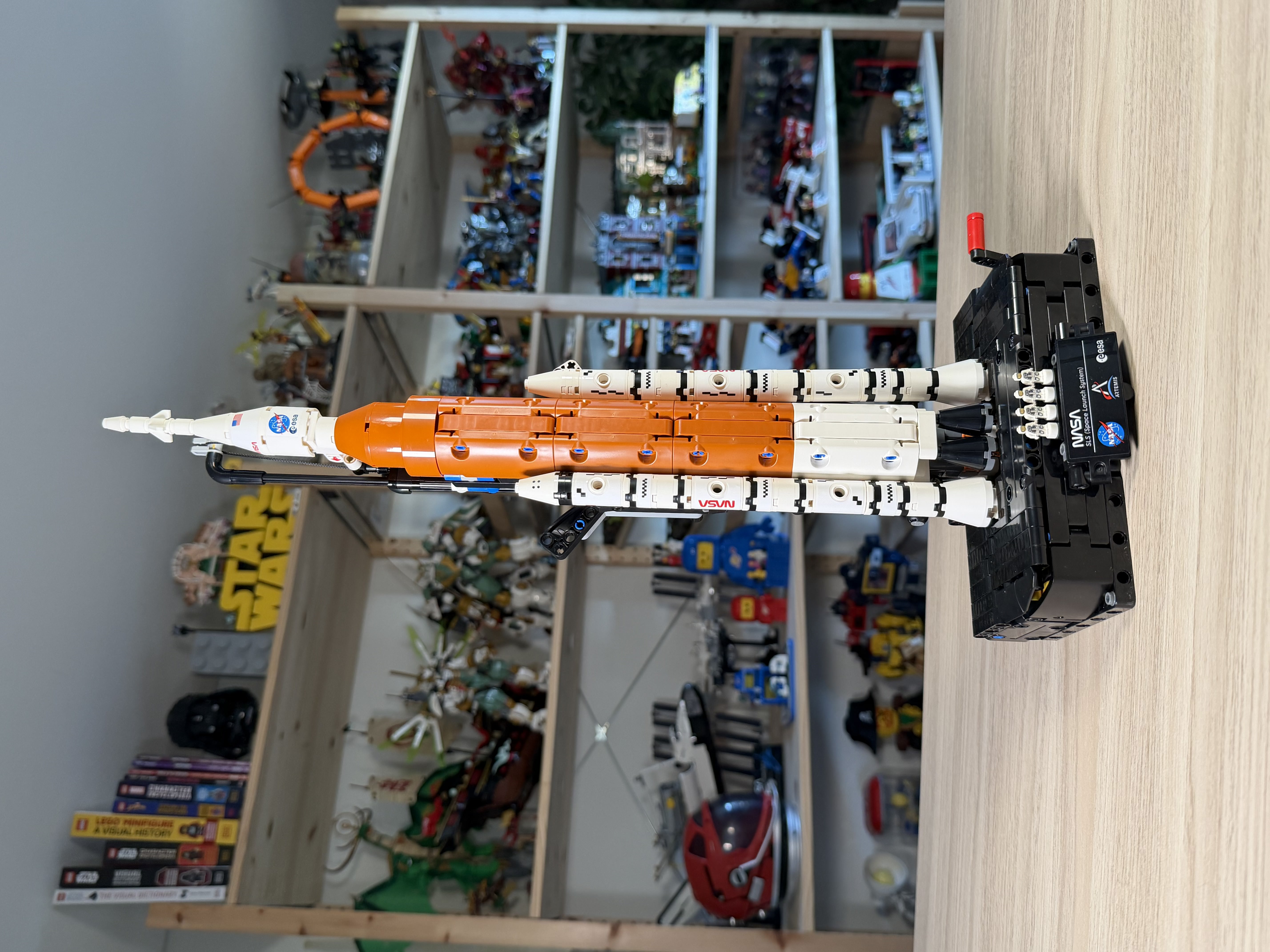
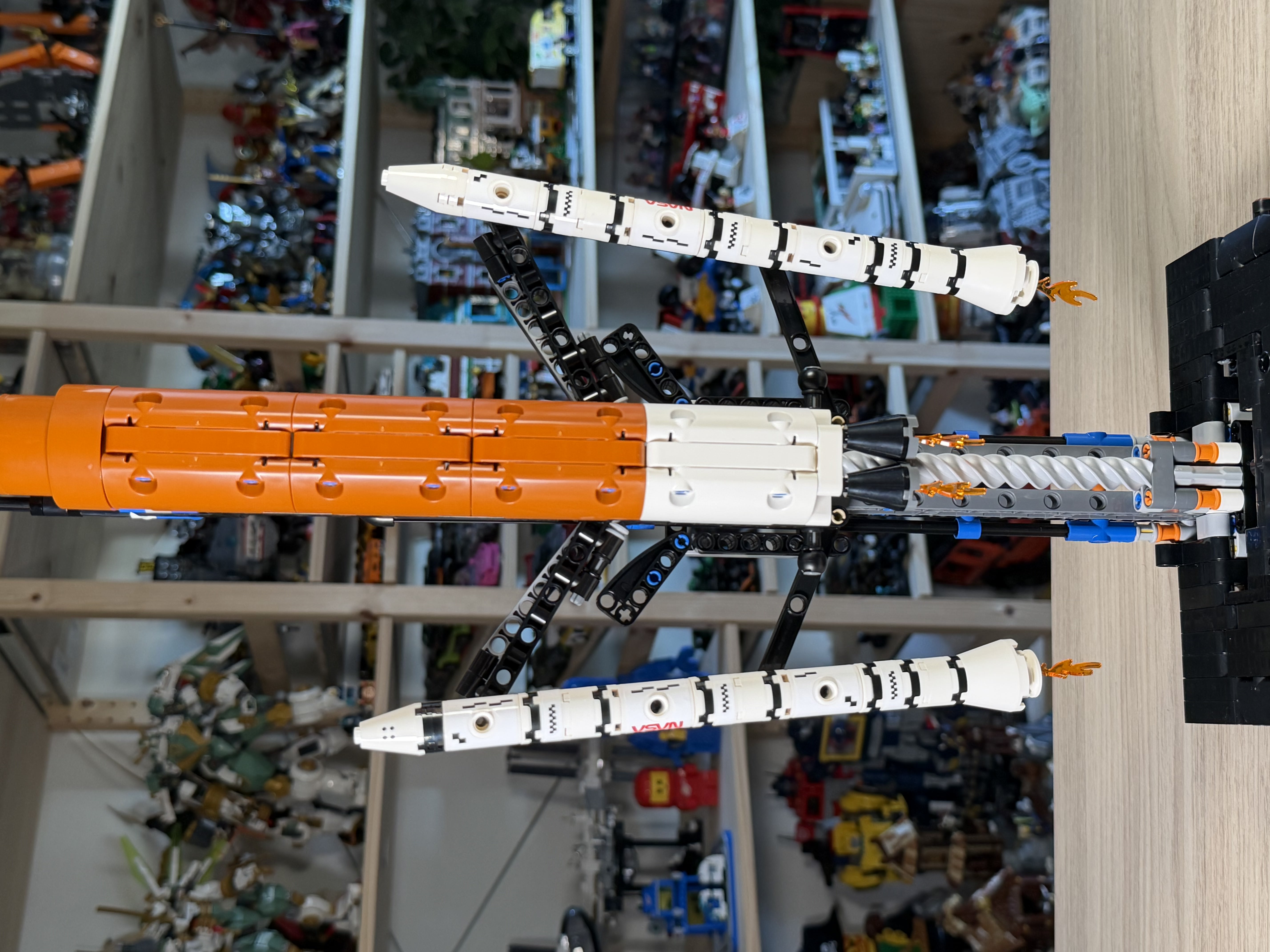
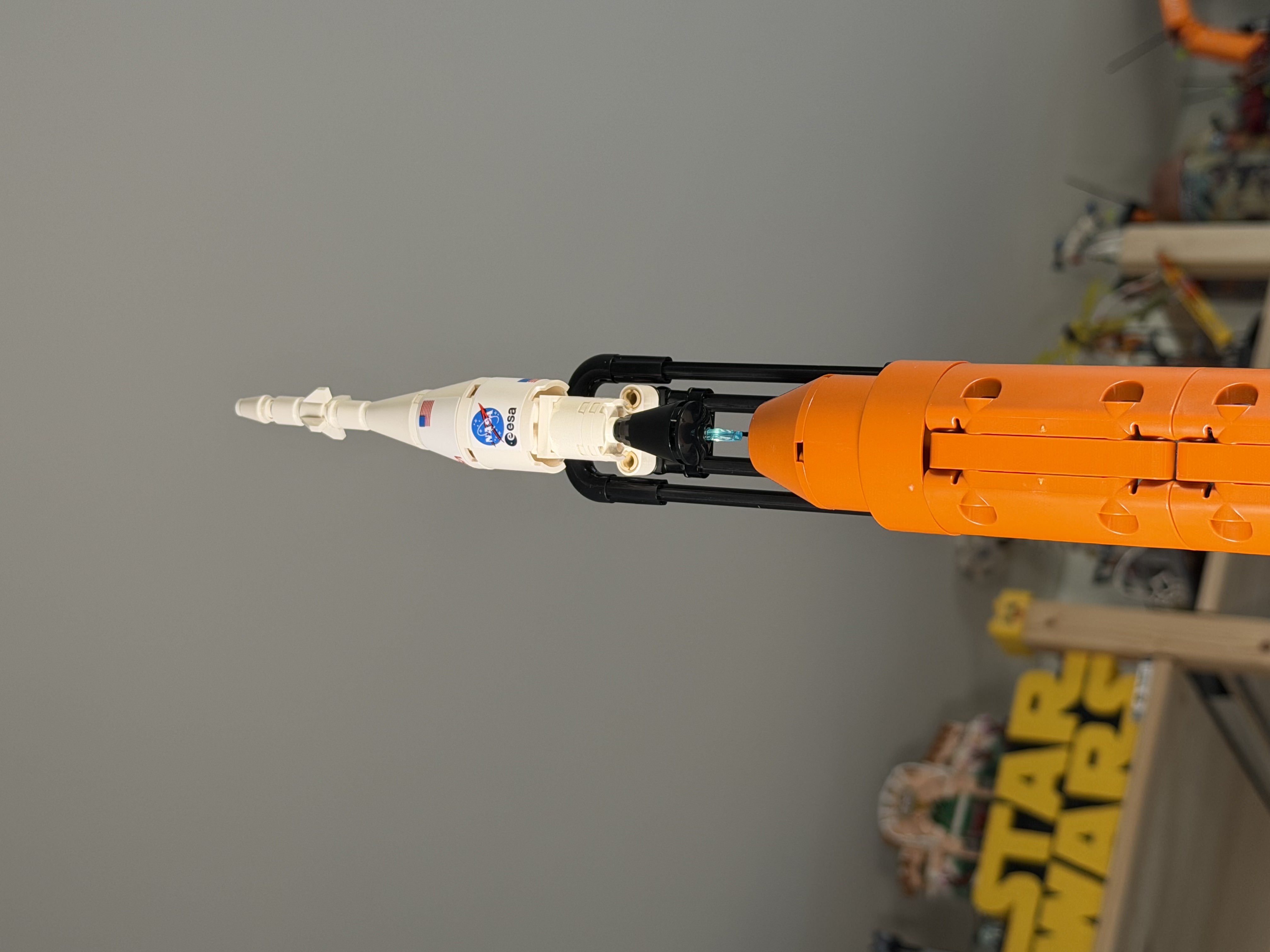
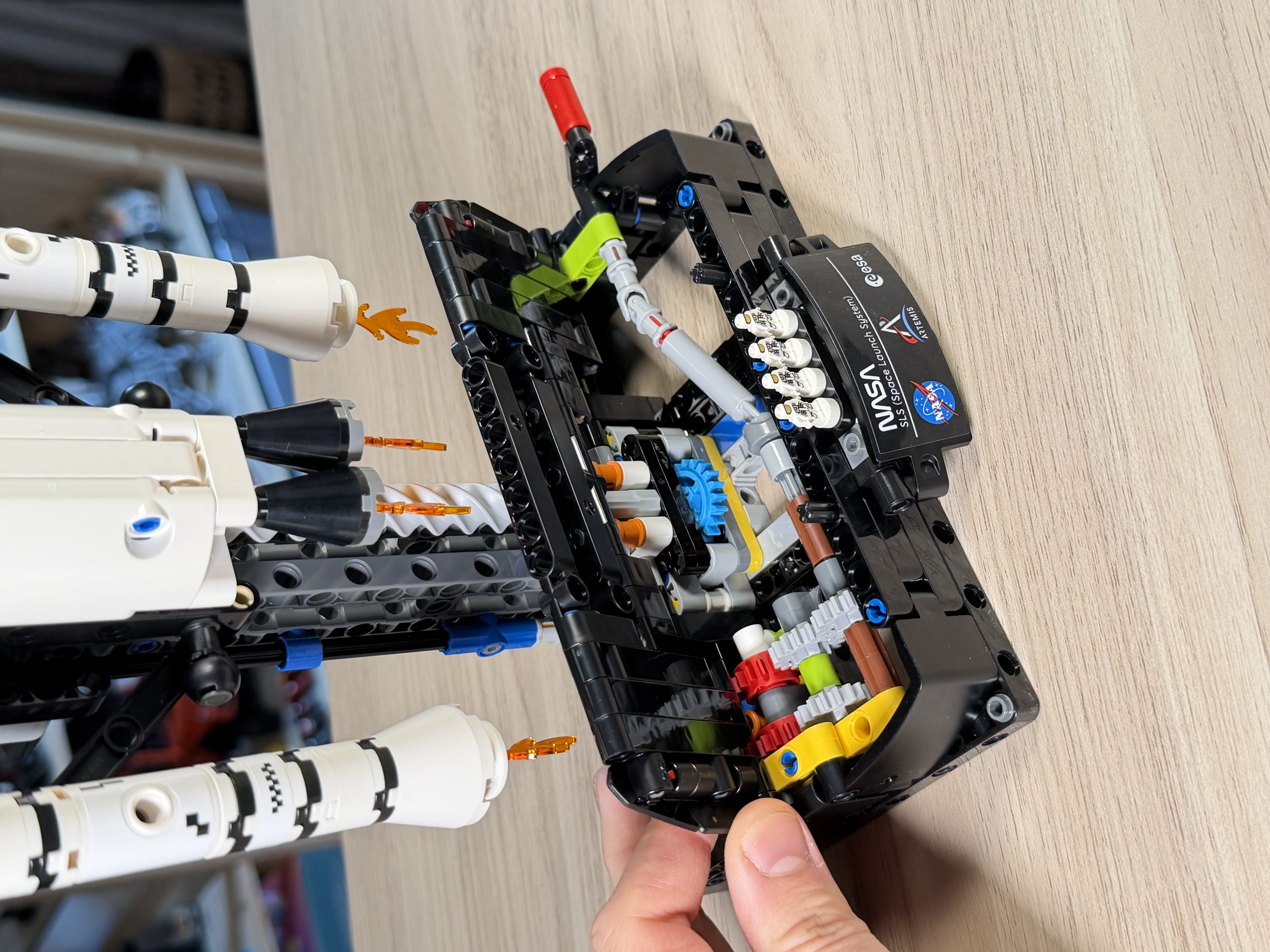
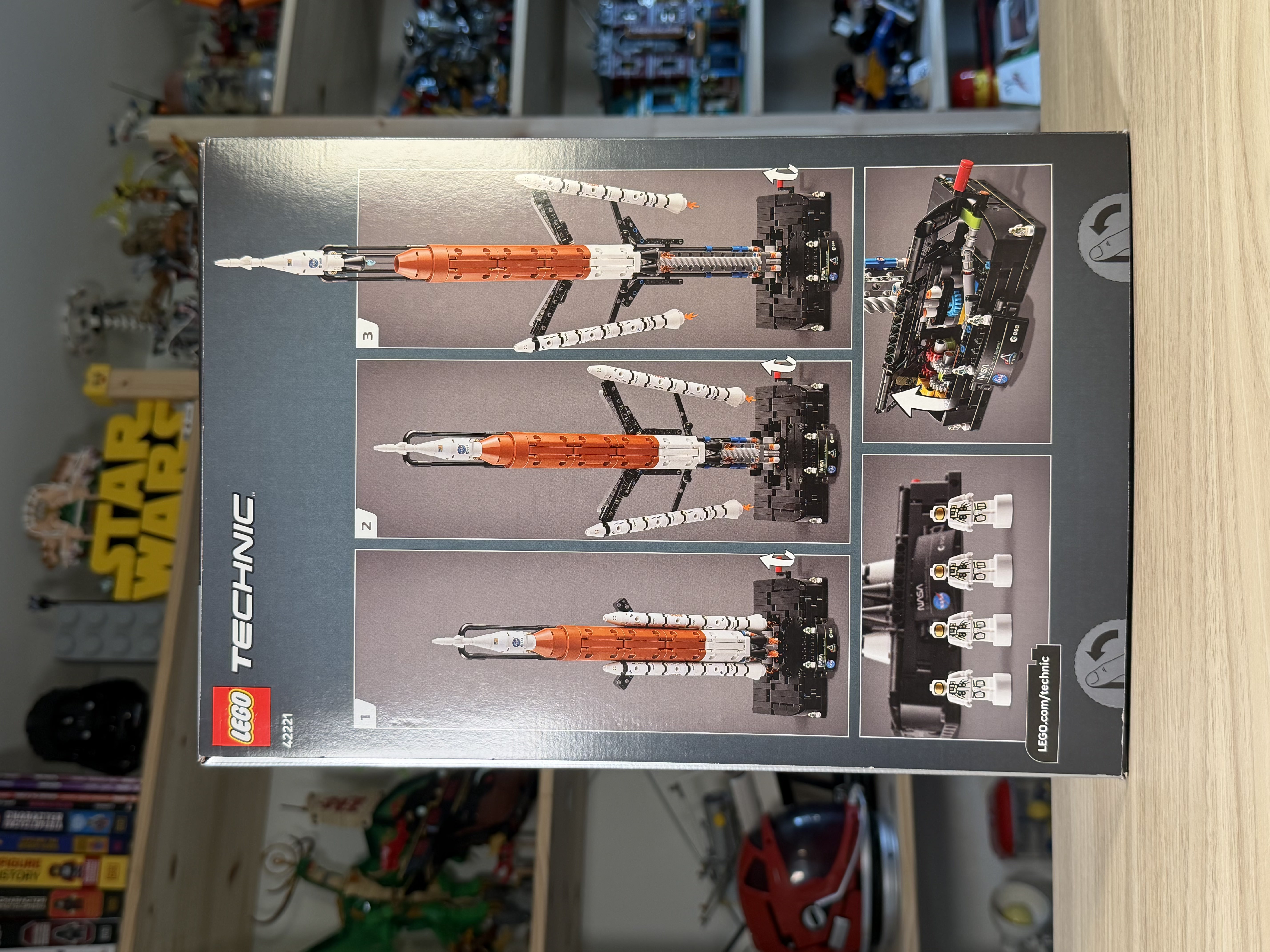
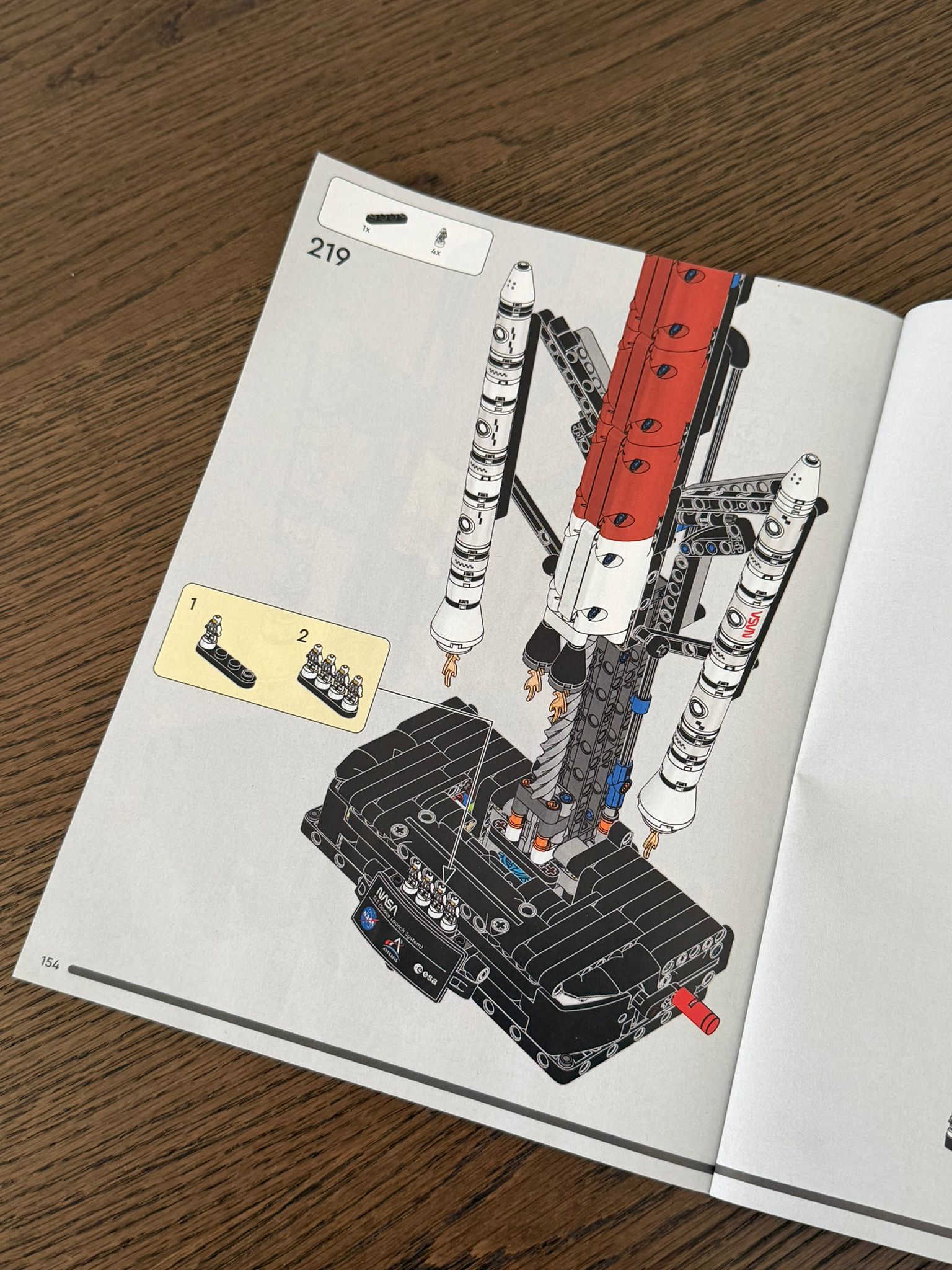
What really makes this set worth it is that it actually does something, it’s not just a rocket to look at. There’s a crank on the base and, as you turn it, the model demonstrates three-stage separation, which feels much closer to “watching a launch happen” than simply owning a static display.
The base acts as a platform and hides a Technic mechanism with gears and drivetrain movement, the kind of build that’s genuinely satisfying if you enjoy mechanical engineering. Here, the mechanics have a real purpose, they’re not just filler.
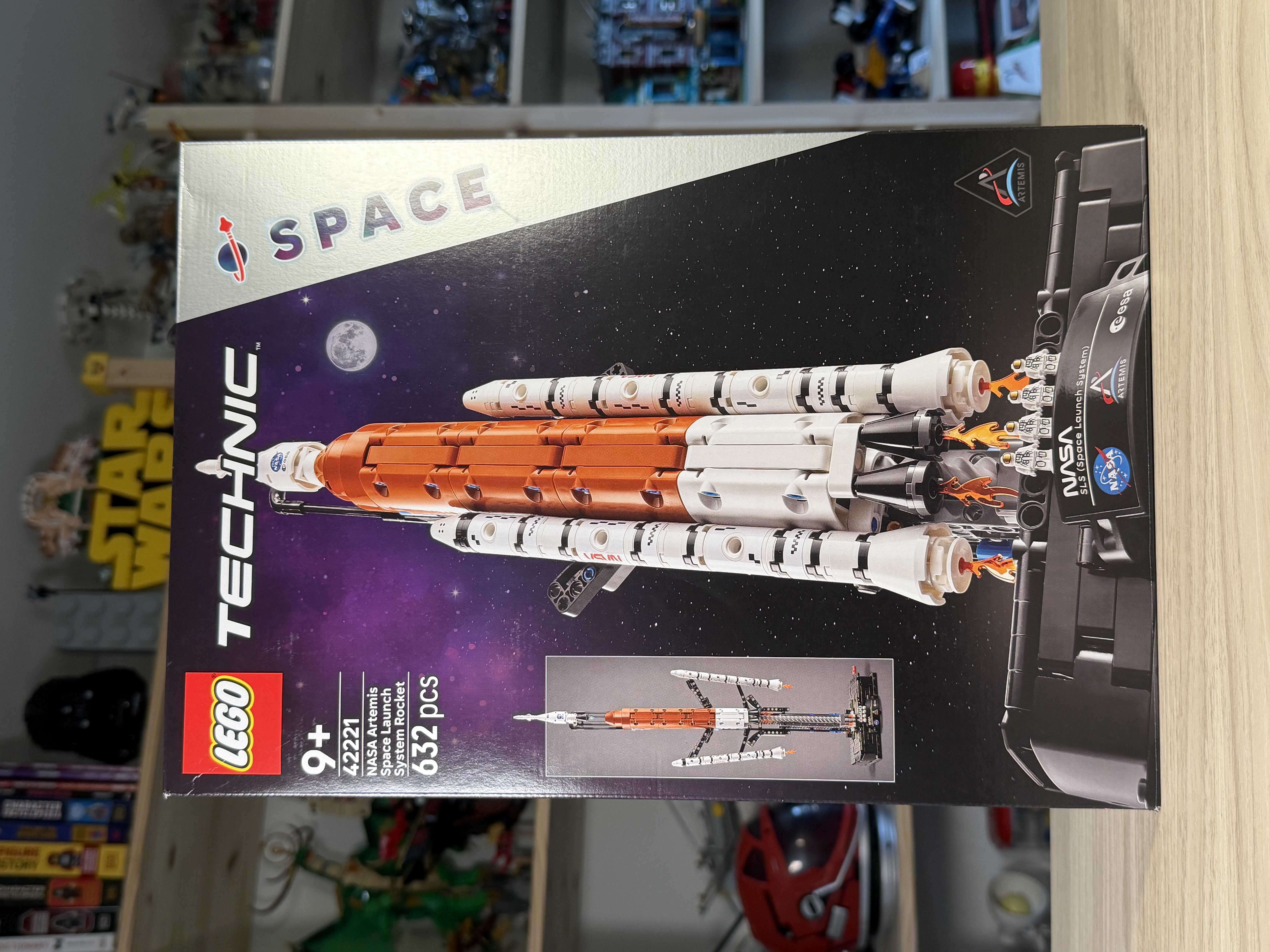
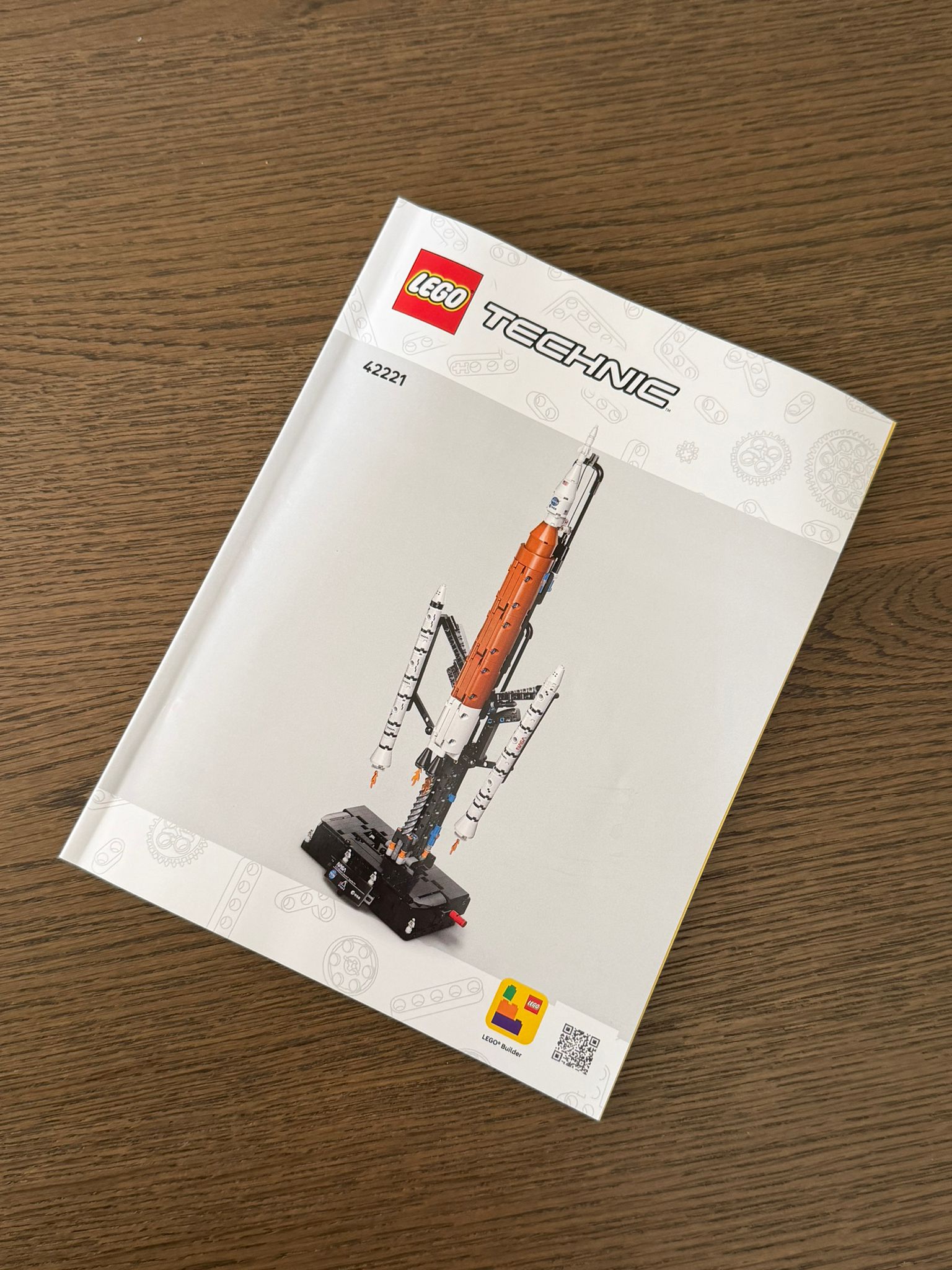
Box design
Instruction manual
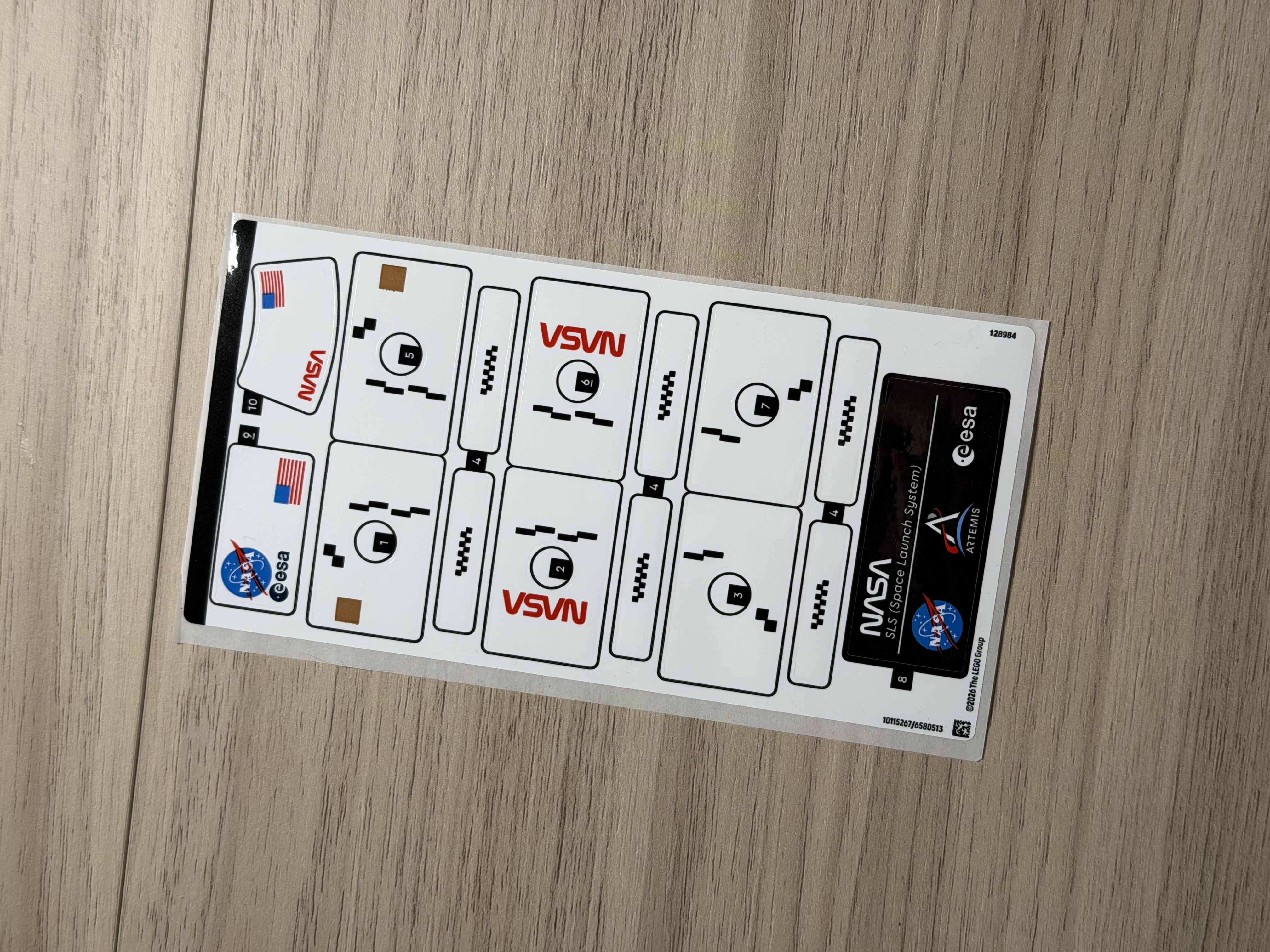
Stickers
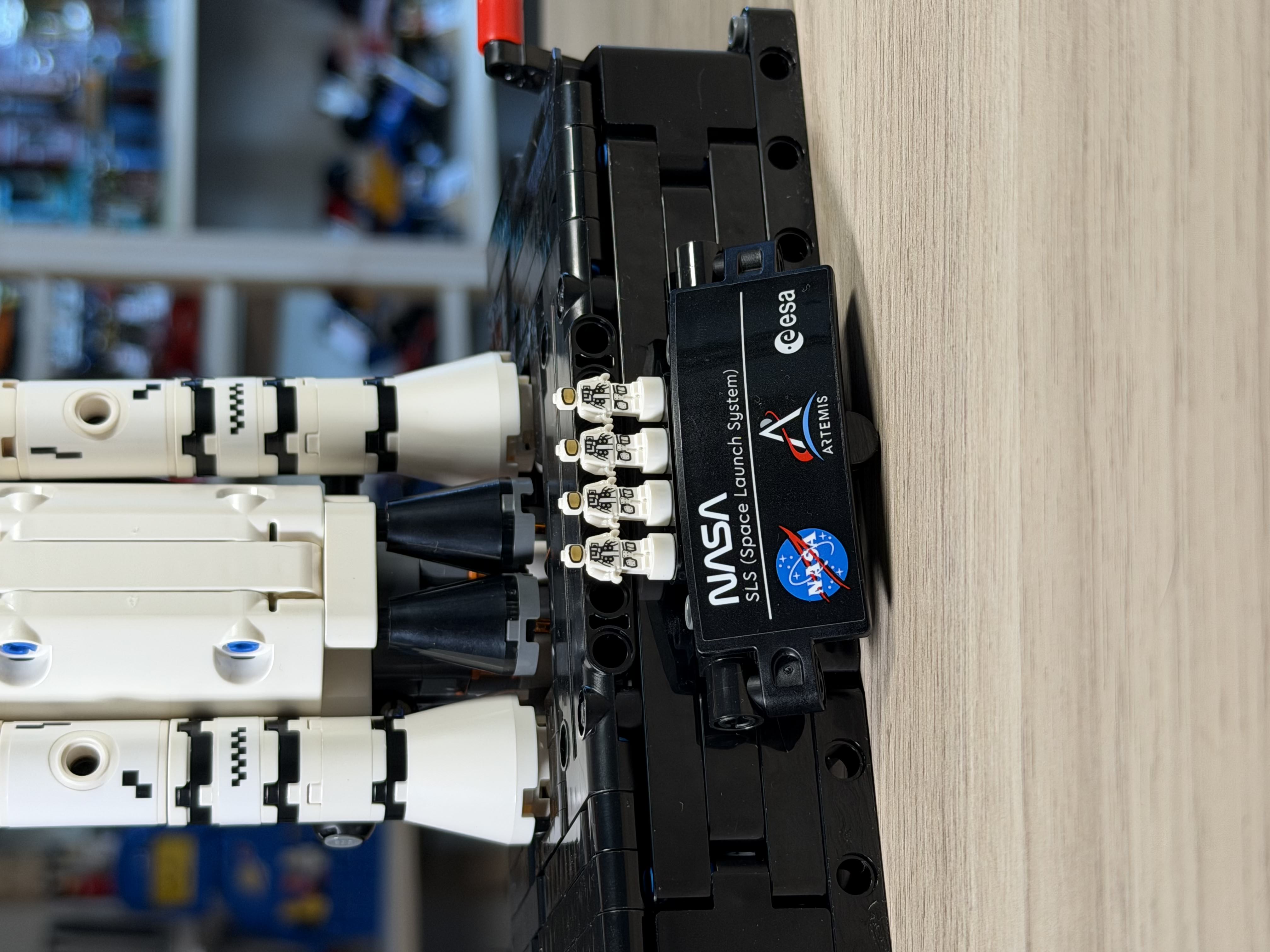
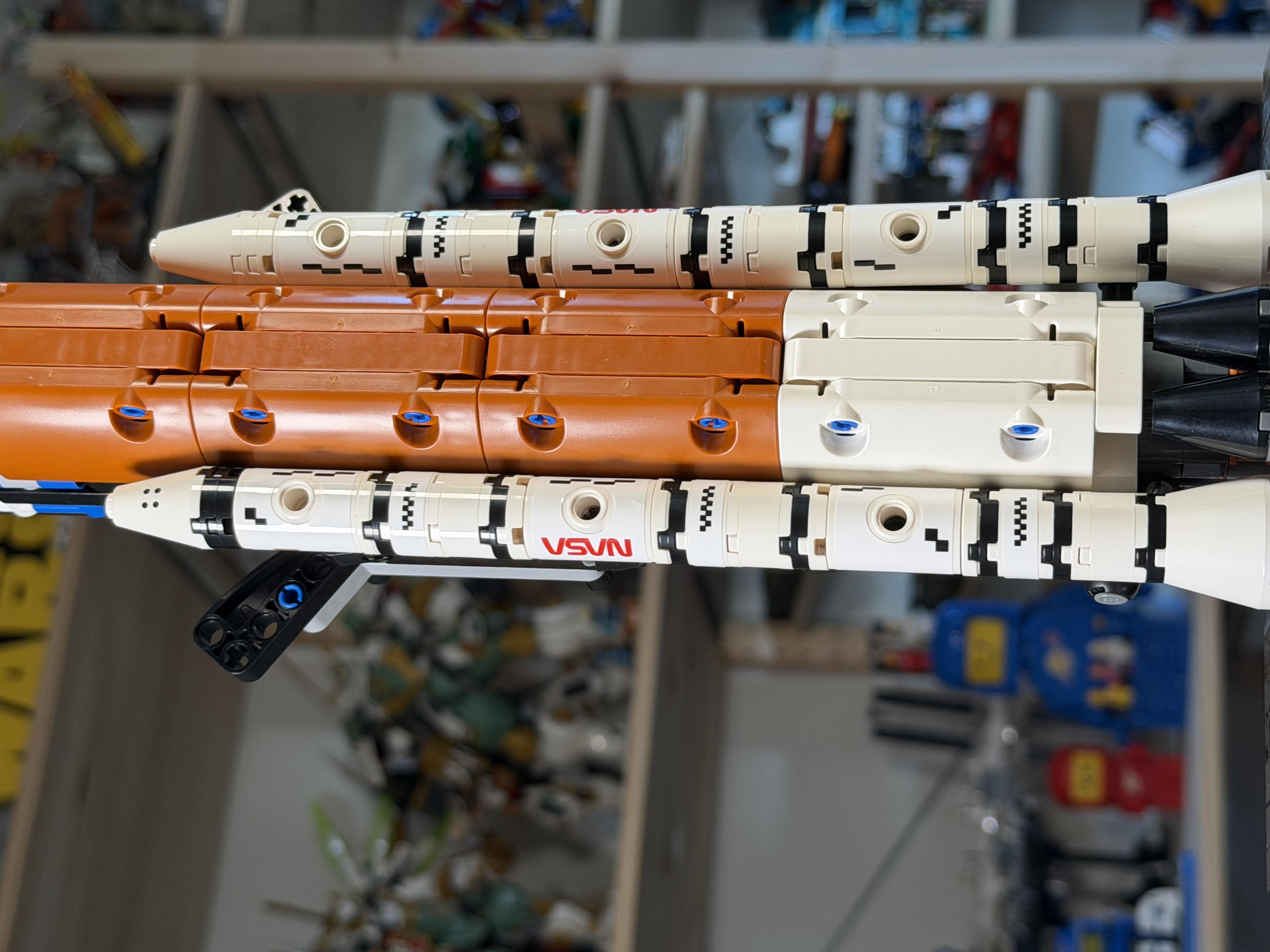
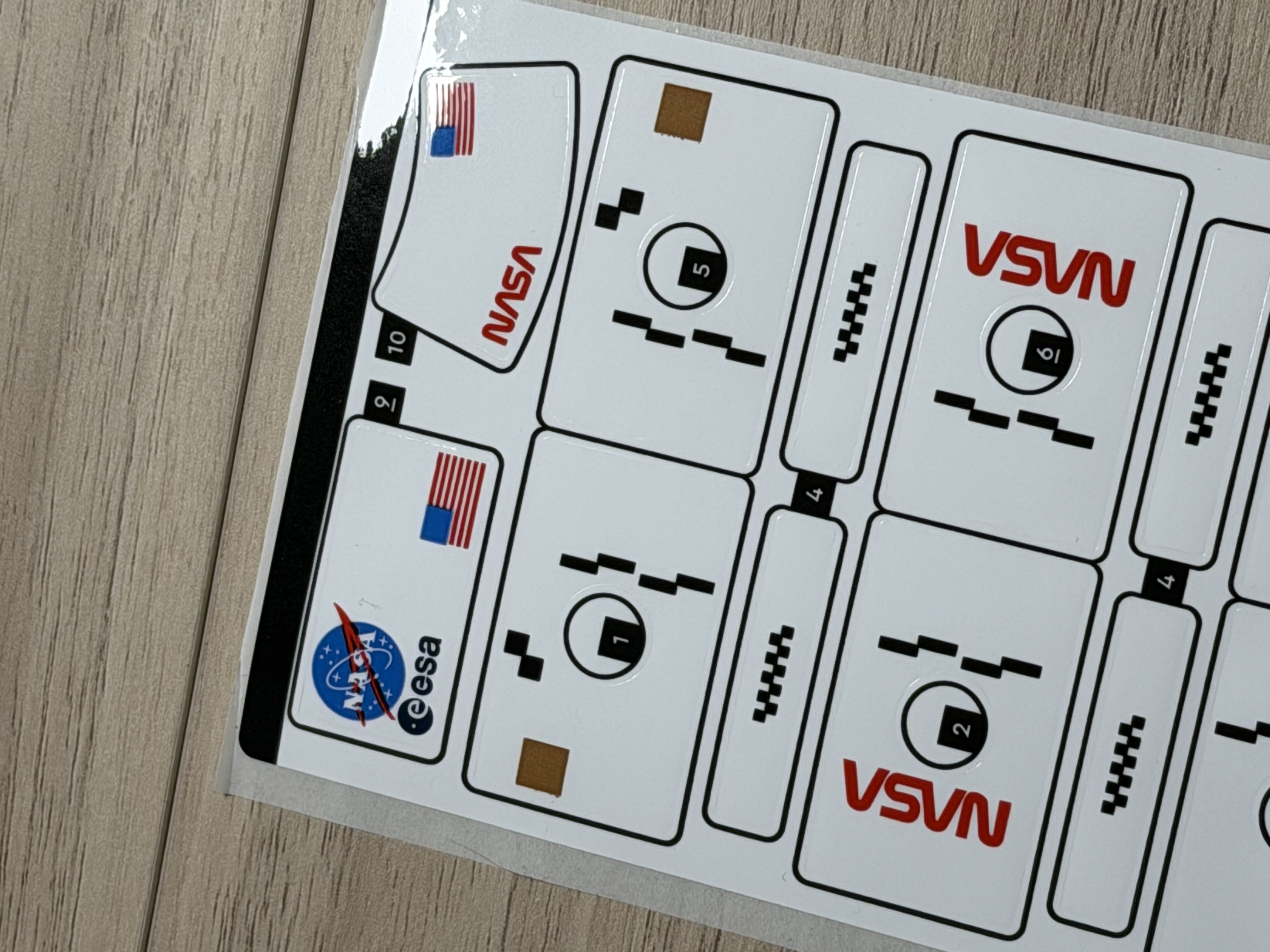
For a Technic set like this, stickers are part of the deal, and here they’re key to achieving the “NASA” look, with markings, panels, and graphic details that would otherwise leave the rocket looking too plain and generic.
The good news is that application is fairly easy, most stickers go on flat, accessible areas, with no awkward curved placements. The main thing is alignment, because on a tall, mostly white model, any crooked sticker stands out immediately.
The downside is the usual one, on a theme like this, many fans would prefer more printed elements, especially for logos and the main markings, for durability and a more premium finish. Still, since the stickers are clearly there to enhance the look rather than “hide flaws”, they’re acceptable, as long as you take your time applying them carefully.
So…

The 42221 SLS hits two audiences perfectly, kids who love space and want a model that moves and tells a story, and AFOLs who enjoy Technic with an educational angle. If your goal is a clean, purely display-focused rocket, there are more “pure” options out there. But if you want something that stands out on a desk and also explains the logic of staging, this set delivers. And it’s worth saying clearly, the price is very good for what you get, both in scale and presence, and in functions and mechanics, the €59.99 feels well justified.
